
Infant Feeding Guide
- Home
- Eat·Grow·Live Healthy
- Infants
- Infant Feeding Guide
Feeding
a 0-3
Month Old
Feeding a 0-3 Month Old
Newborns have tiny stomachs and need to be fed often. As they grow, babies can hold more milk so feedings may become further apart and take less time. In the first few weeks, you may need to wake your baby to feed if they sleep longer than 4 hours.
Breast MilkClick Here
Infant FormulaClick Here
In the first few days, newborns need 2-3 oz. of iron-fortified infant formula every 3-4 hours.By the end of the first month, your newborn needs about 4 oz. every 4 hours.
Feeding a 4-5
Month Old
Feeding a 4-5 Month Old
Your baby may start to feed on a schedule. Instead of focusing on fixed amounts, let your baby tell you when they have had enough.
Breast MilkClick Here
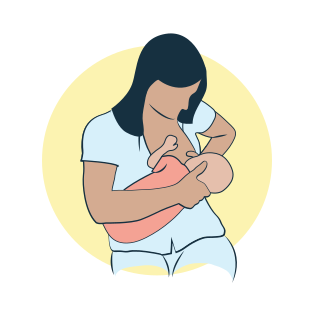
Breastfeed your baby on-demand, at least 7-9 times in 24 hours.When your baby starts teething, they may want to nurse more often.
During growth spurts, at 2 to 4 weeks, 6 weeks, 3-4 months, and 6 months, your baby may need to eat more often.
Infant FormulaClick Here
Your baby needs about 4-6 oz. of iron-fortified formula every 3-4 hours, a total of 25-45 oz. per day.If bottle feeding, offer a small amount at a time, about 4-6 oz.
During growth spurts, at 2 to 4 weeks, 6 weeks, 3-4 months, and 6 months, your baby may need to eat more often.
Feeding a 6-7
Month Old
Feeding a 6-7 Month Old
Feed solids with a spoon and from a bowl, never from a bottle.
Breast MilkClick Here
Continue to nurse on-demand, about 4-6 times in 24 hours.Babies may experience a growth spurt around 6 months of age and may feed more often.
Offer breast milk in a cup.
Infant FormulaClick Here
Offer 24-32 oz. per day of iron-fortified infant formula.Offer formula in a cup.
- Click Here">GrainsClick Here
- Click Here">VegetablesClick Here
- Click Here">FruitsClick Here
- Click Here">ProteinsClick Here
GrainsClick Here
Use breast milk or formula to prepare 2-4 Tbsp. iron-fortified infant cereal. Offer twice per day.
2-4 Tbsp. of small pieces of dry bread, baby crackers, and cereal. Offer twice per day.

VegetablesClick Here
4-8 Tbsp. per day.
Cooked, pureed, mashed vegetables.

FruitsClick Here
4-8 Tbsp. per day.
Cooked, pureed, mashed fruits.
Applesauce, pureed peaches, or mashed banana.

ProteinsClick Here
2-4 Tbsp. per day.
Plain strained, mashed, or pureed meats, poultry, eggs, fish, or legumes.
Smooth whole milk yogurt.
Smooth, creamy peanut butter, spread thin on a cracker or mixed with applesauce and cinnamon and spread on bread.

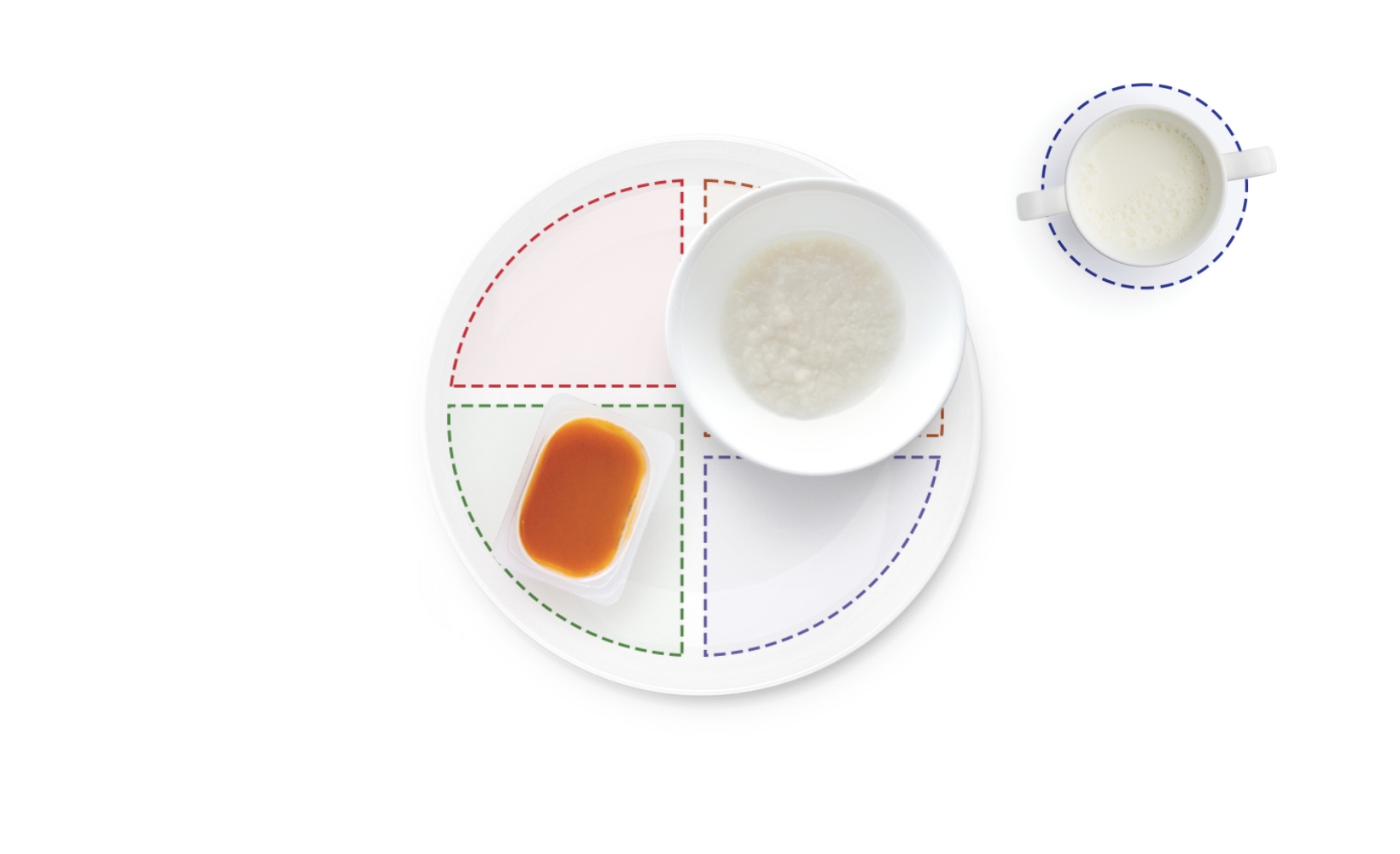
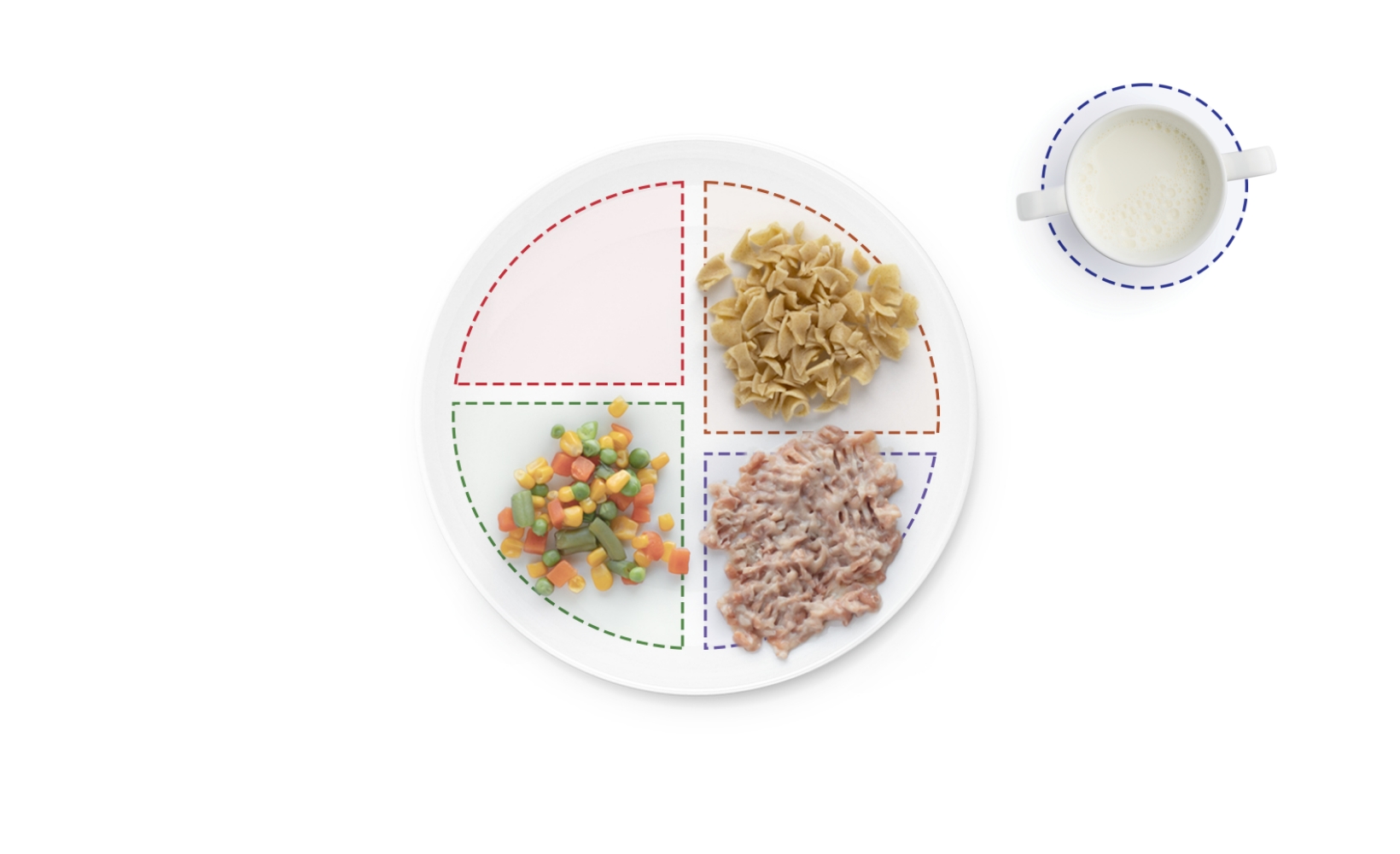
Here are some examples of what meal and snack portion sizes might look like on my plate.
Breakfast
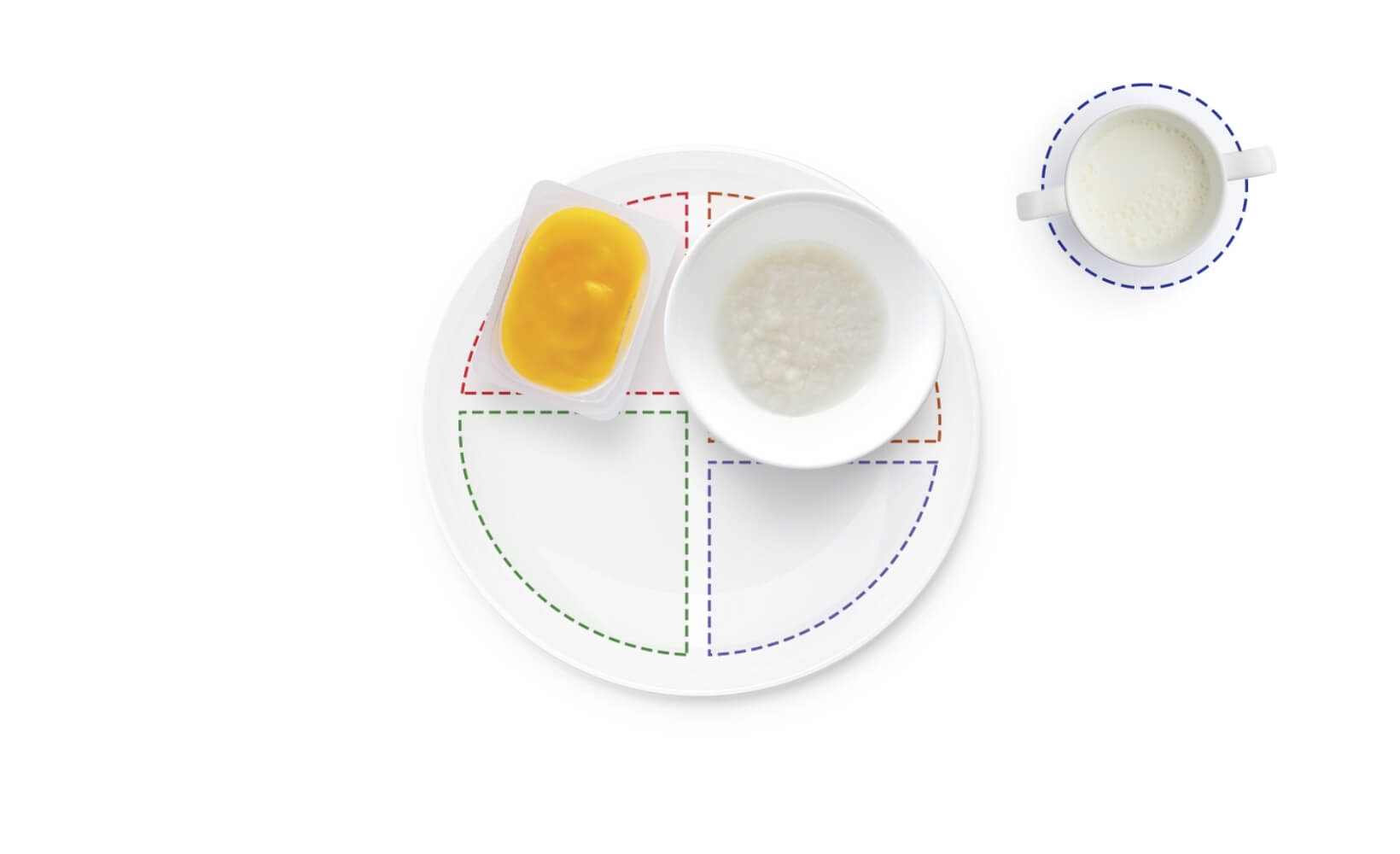
Lunch
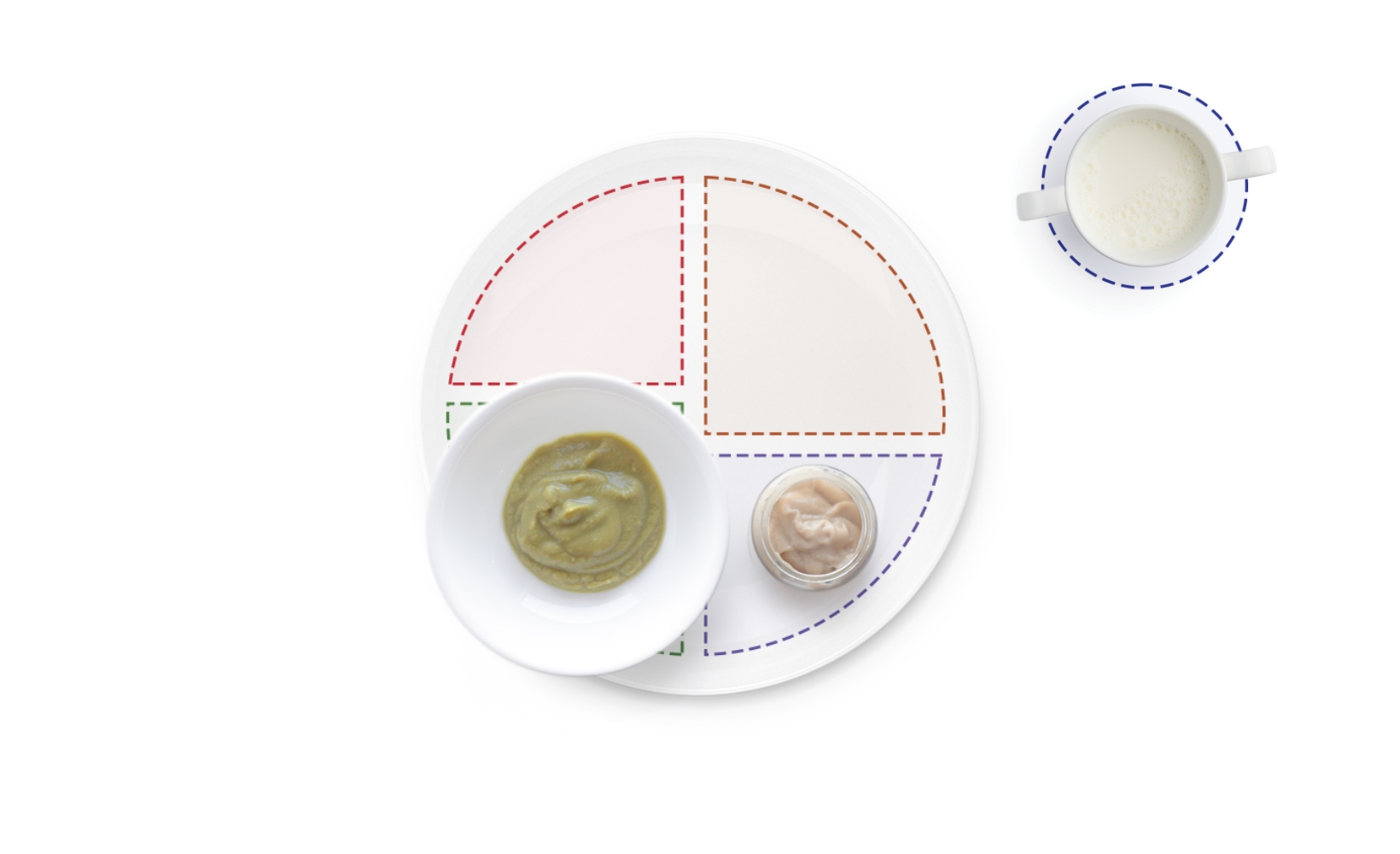
Snacks
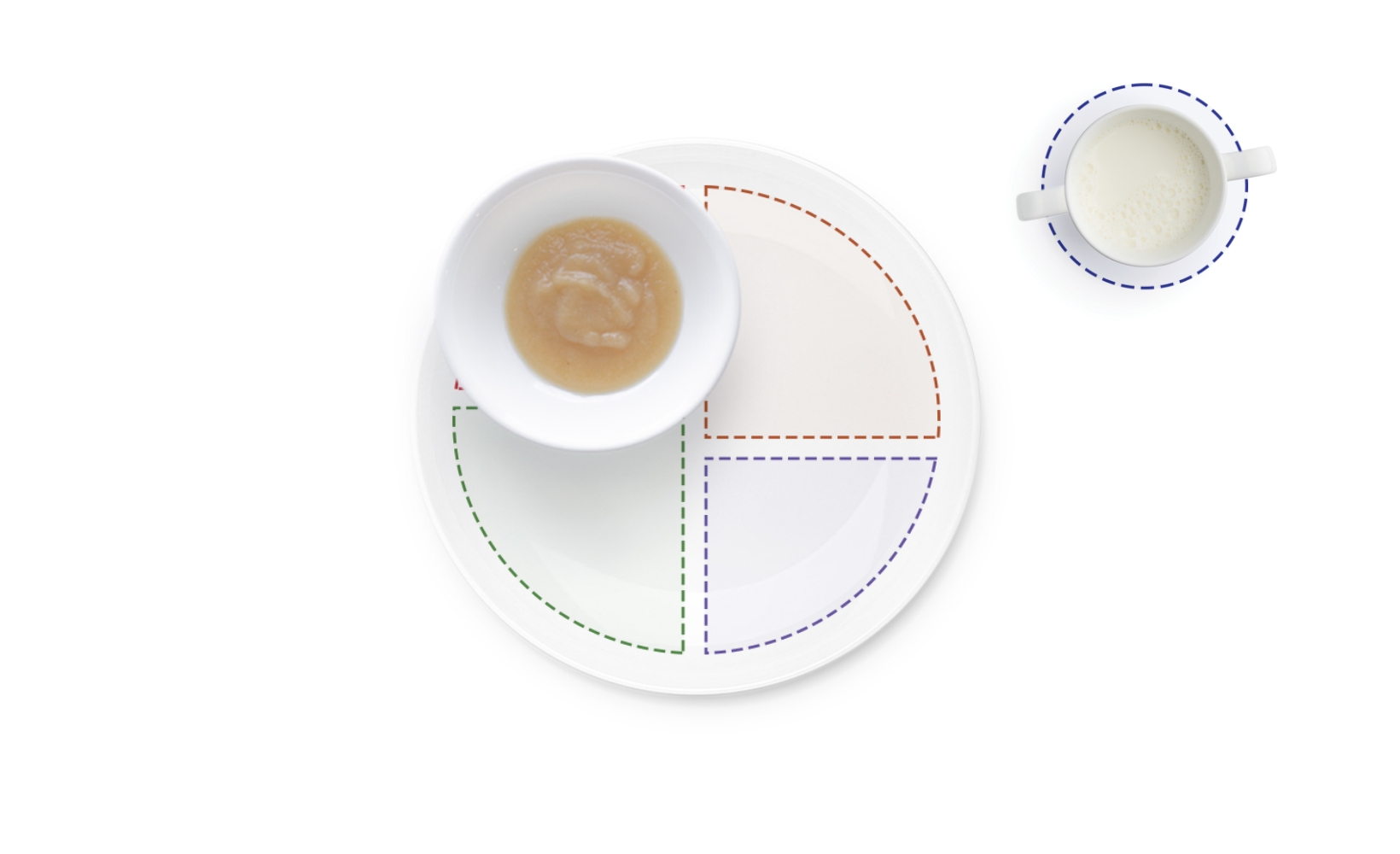
Dinner
Feeding a 8-9
Month Old
Feeding a 8-9 Month Old
As your baby grows and learns new eating skills, try different textures and foods.
Breast MilkClick Here
Continue nursing on-demand, at least 4 times in 24 hours.If your baby seems less interested in nursing after you introduce solids, try nursing before you offer solids.
Offer breast milk in a cup.
Infant FormulaClick Here
24-32 oz. per day.Offer formula in a cup.
- Click Here">GrainsClick Here
- Click Here">VegetablesClick Here
- Click Here">FruitsClick Here
- Click Here">ProteinsClick Here
GrainsClick Here
4-8 Tbsp. per day.
Plain iron-fortified infant cereals.
Plain rice or pasta.
Baby crackers, small pieces of bread, or soft tortillas.

VegetablesClick Here
8-12 Tbsp. per day.
Plain cooked vegetables, mashed with a fork.

FruitsClick Here
8-12 Tbsp. per day.
Peeled soft fruit in bite-size pieces.
Unsweetened canned fruit.

ProteinsClick Here
4-8 Tbsp. per day.
Finely ground, chopped, or diced meats, poultry, eggs, fish, or cooked mashed beans.
Cottage cheese or mild cheese.
Smooth, creamy peanut butter, spread thin.

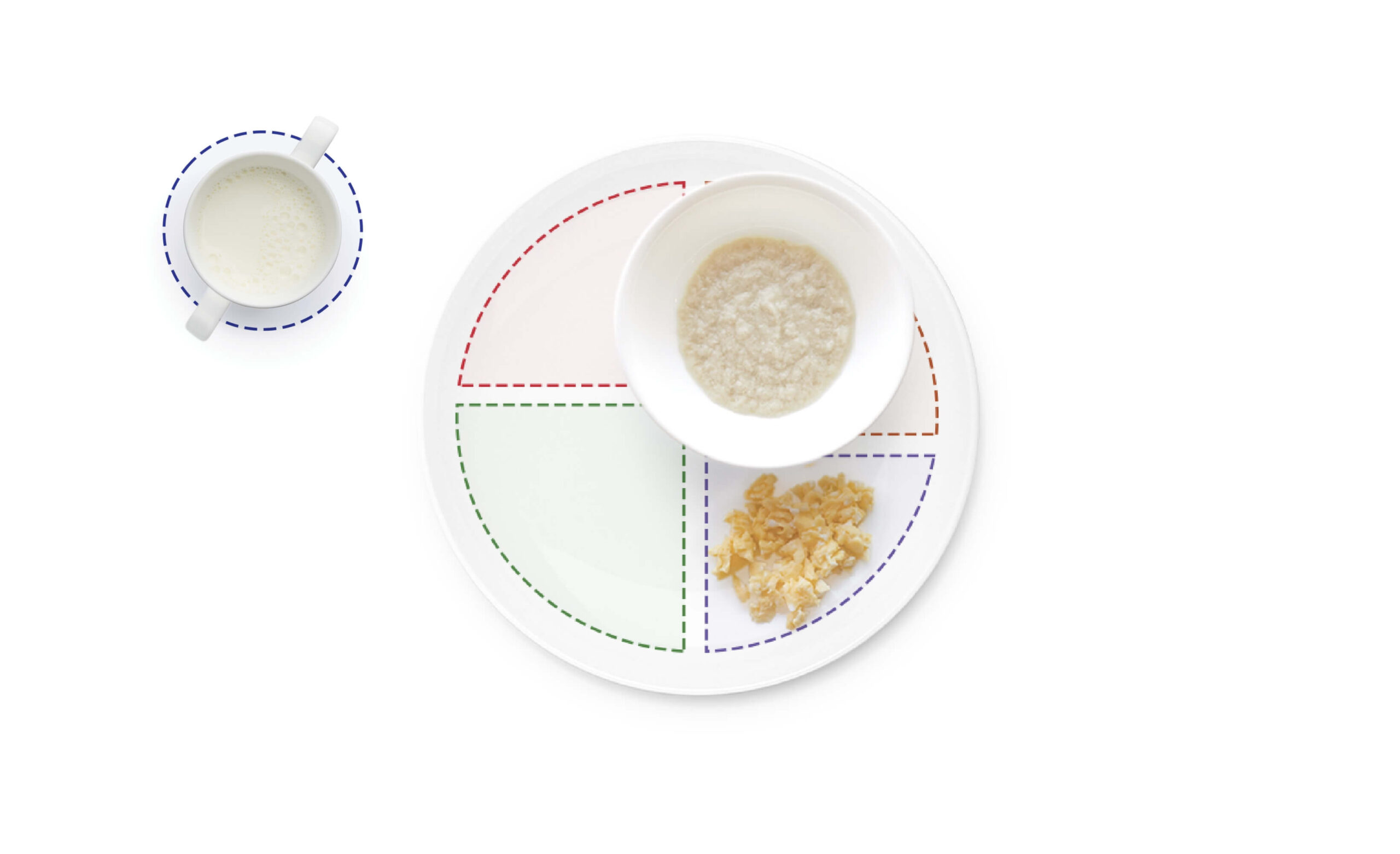
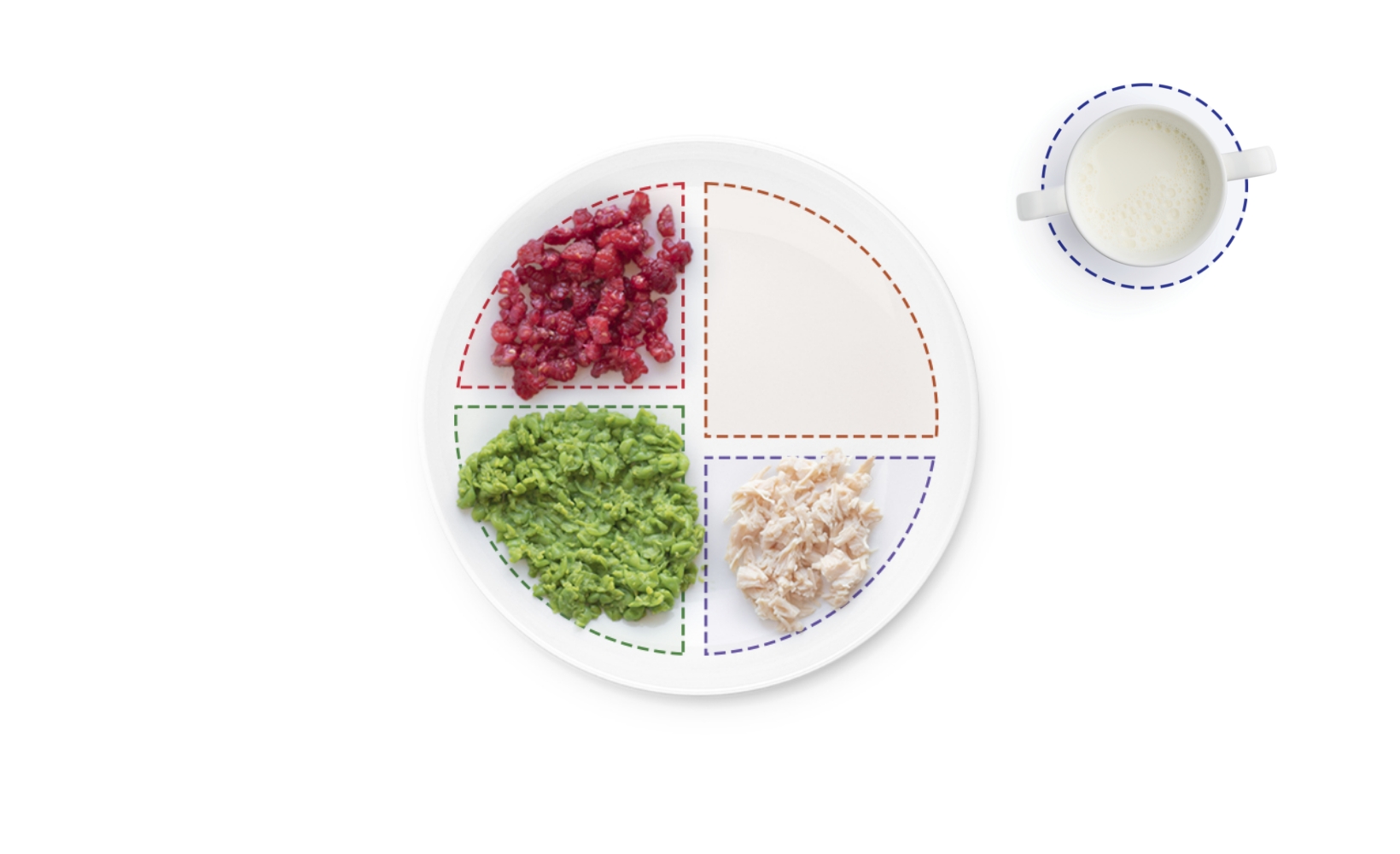
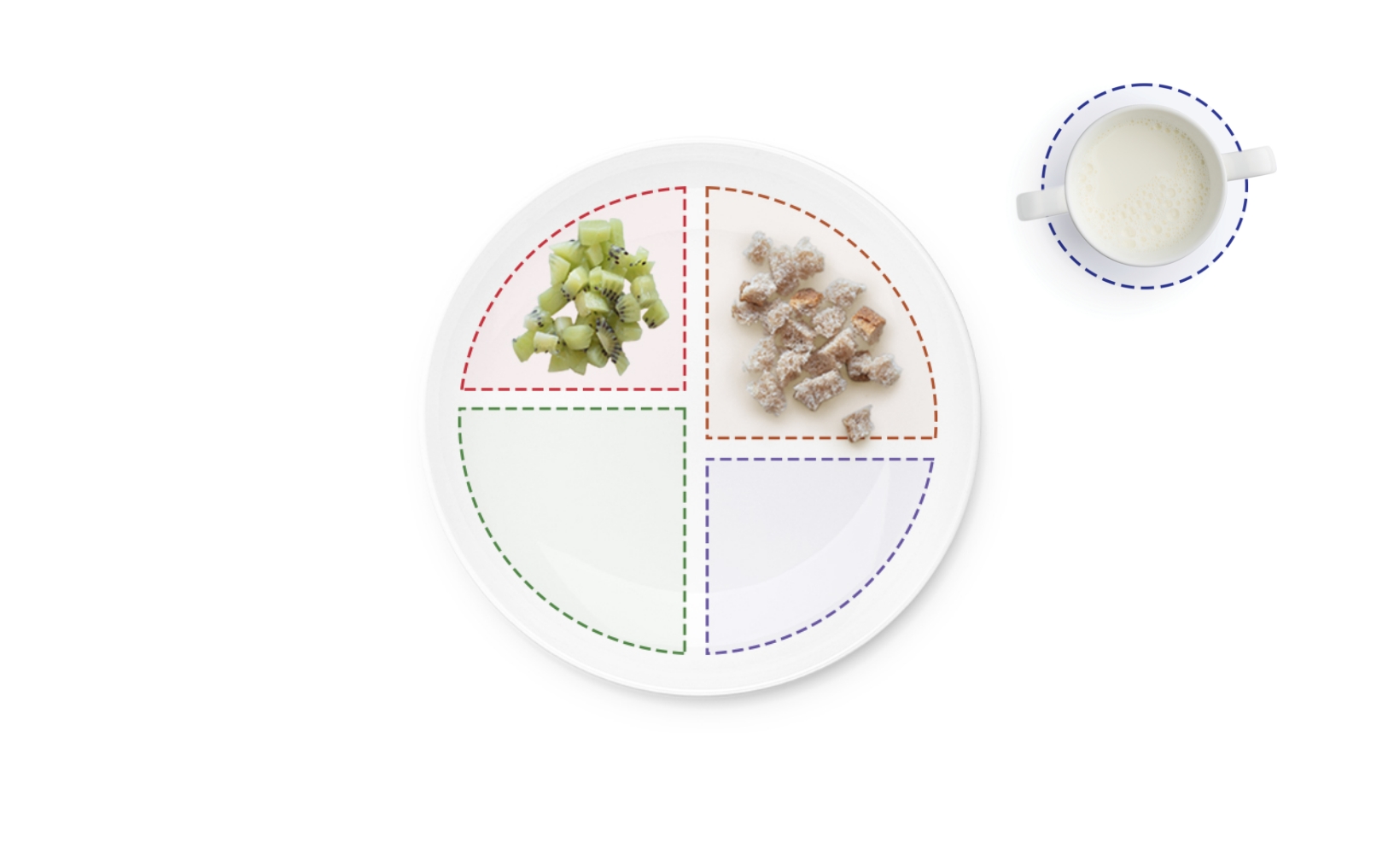
Here are some examples of what meal and snack portion sizes might look like on my plate.
Breakfast
Lunch
Snacks
Dinner
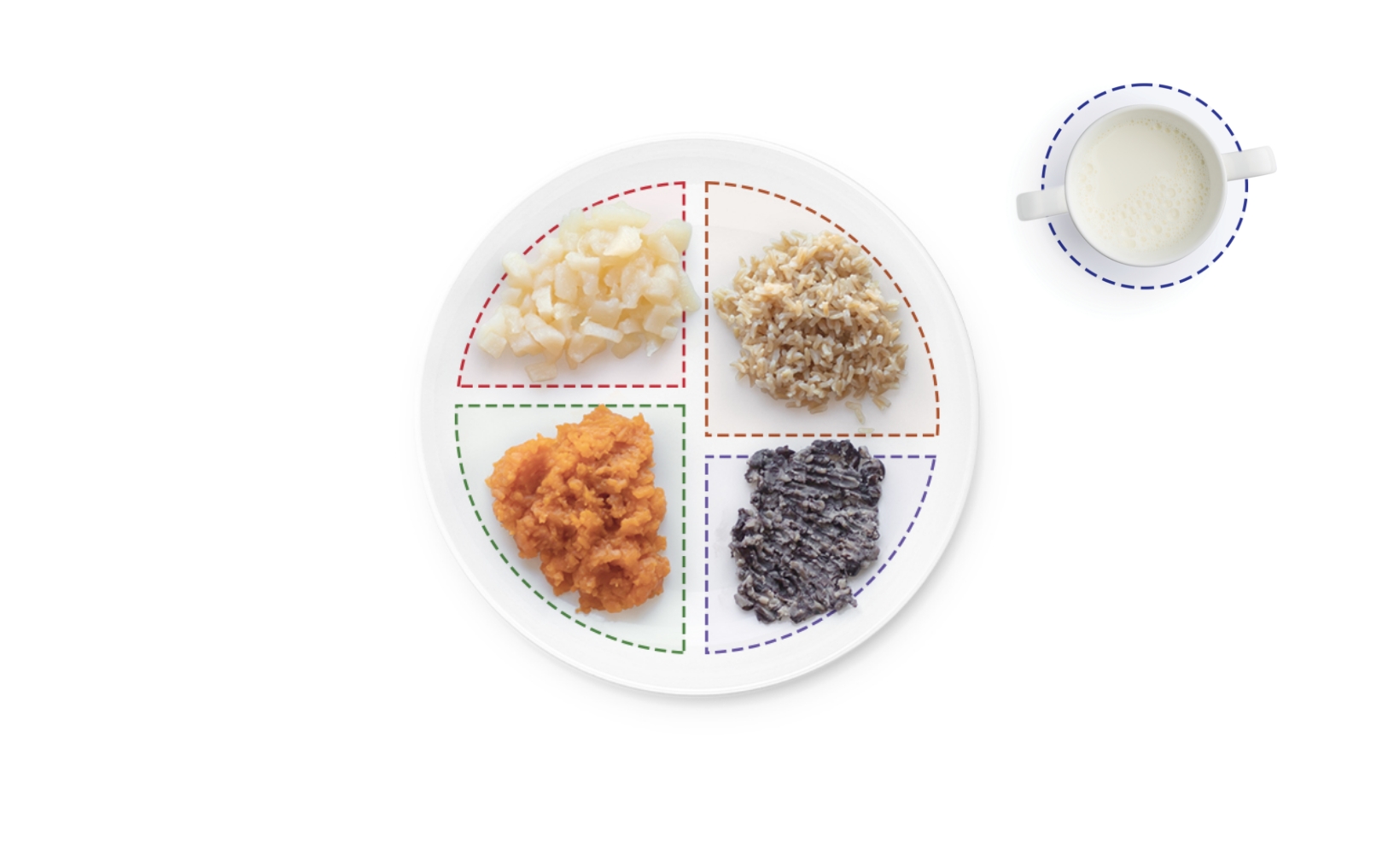
Feeding a
10-12 Month
Old
Feeding a 10-12 Month Old
Breast milk is the most important source of nutrition for your baby, even after you start offering solid foods. Start offering whole milk when your baby is one year old.
Breast MilkClick Here
Infant FormulaClick Here
16-24 oz. per day.Offer formula in a cup.
- Click Here">GrainsClick Here
- Click Here">VegetablesClick Here
- Click Here">FruitsClick Here
- Click Here">ProteinsClick Here
GrainsClick Here
4-8 Tbsp. per day.
Unsweetened, mixed, and high protein cereals.
Dry toast, crackers, bread, bagels, rolls, or plain muffins.
Cooked rice and noodles.
VegetablesClick Here
8-12 Tbsp. per day.
Cooked bite-size vegetable pieces.
FruitsClick Here
8-12 Tbsp. per day.
Fresh fruits, peeled, and in bite-size portions.
ProteinsClick Here
4-8 Tbsp. per day.
Finely ground, chopped, or diced meats, poultry, eggs, fish, or cooked mashed beans.
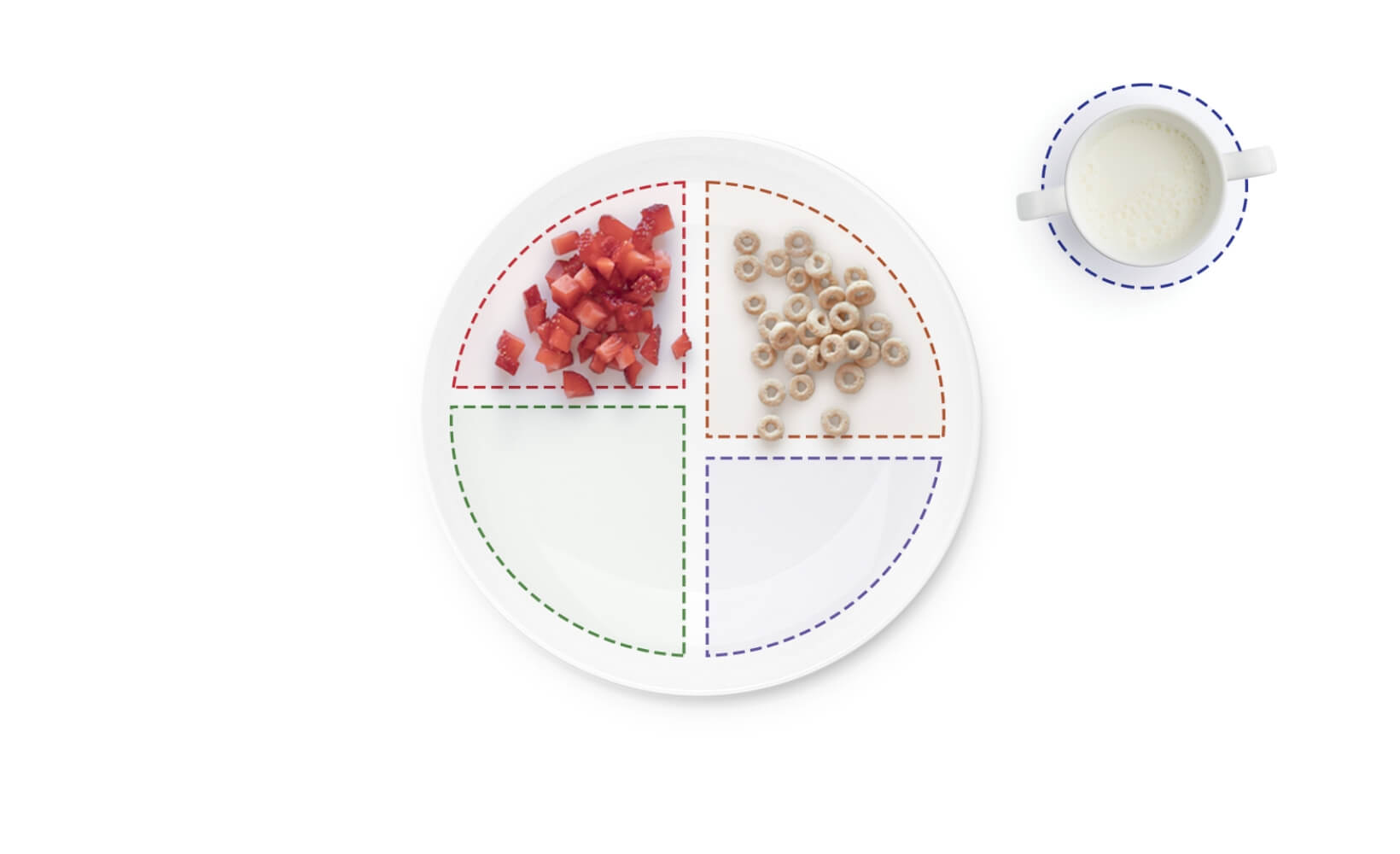
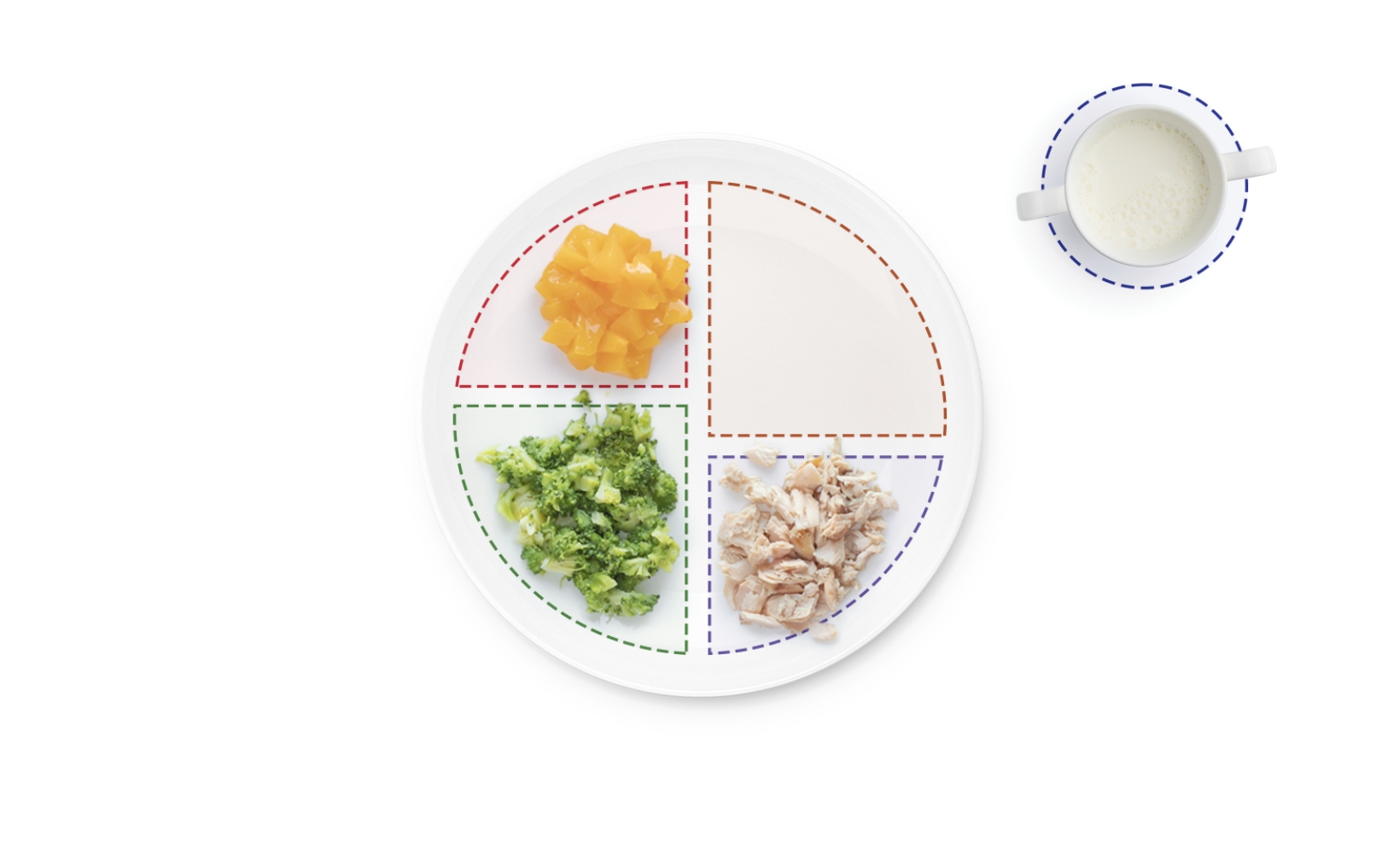
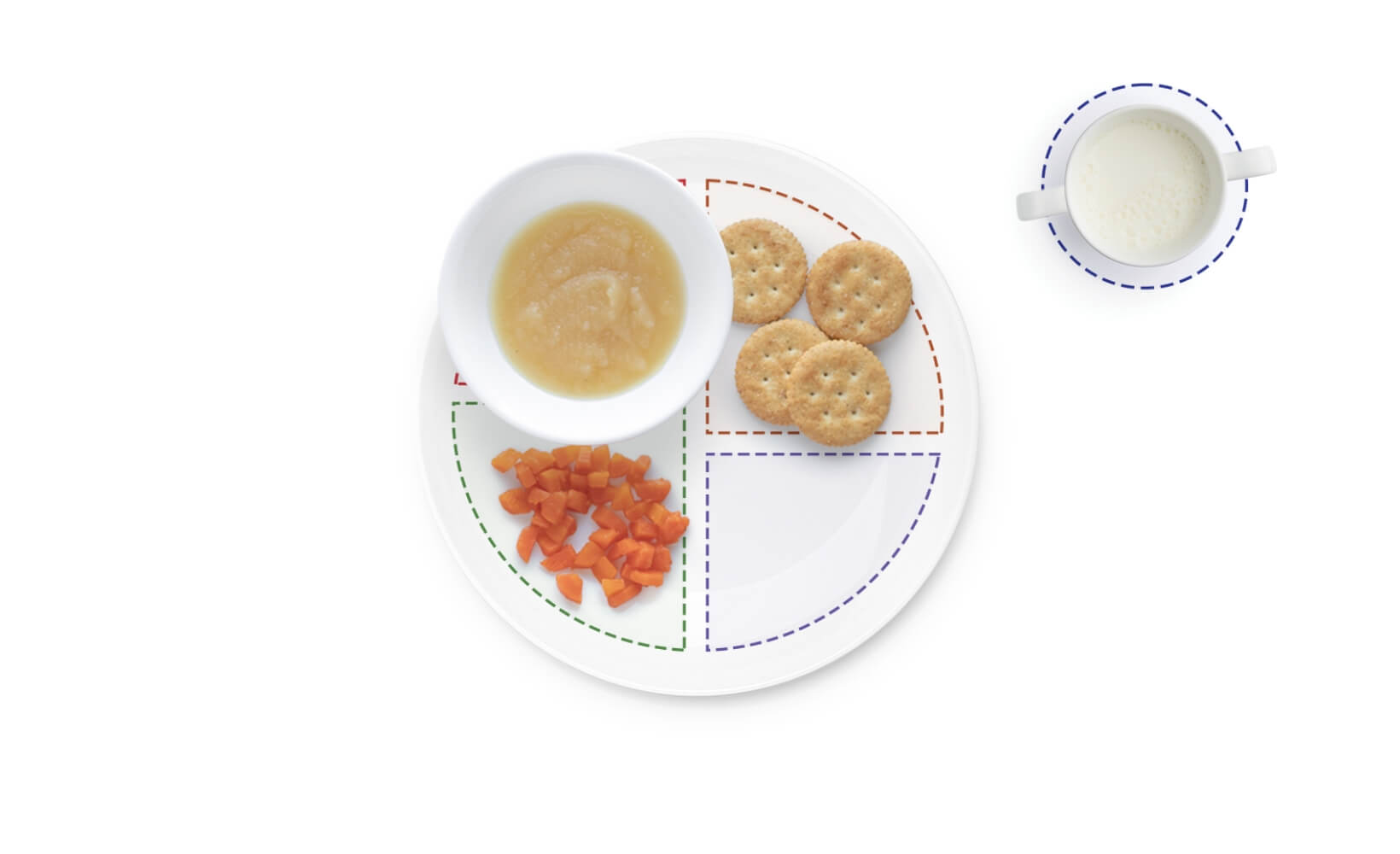
Here are some examples of what meal and snack portion sizes might look like on my plate.
Breakfast
Lunch
Snacks
Dinner
Tips
Tips

Feeding breast milk and formula:
Breast milk or formula is all your baby needs for the first six months of life. Your baby’s digestive system is not ready for anything else until about 6 months of age.
Feed your baby on-demand, when they show signs of hunger, like sucking on their hands or smacking their lips. Stop feeding when they show signs they are full, like turning their head away, relaxing their hands, or falling asleep.
If bottle feeding, offer a small amount at a time, about 2-3 oz. Never force your baby to finish a bottle.
The American Academy of Pediatrics recommends breastfeeding for the first six months and that breastfeeding continue for at least 12 months, or longer, as desired by mother and baby.
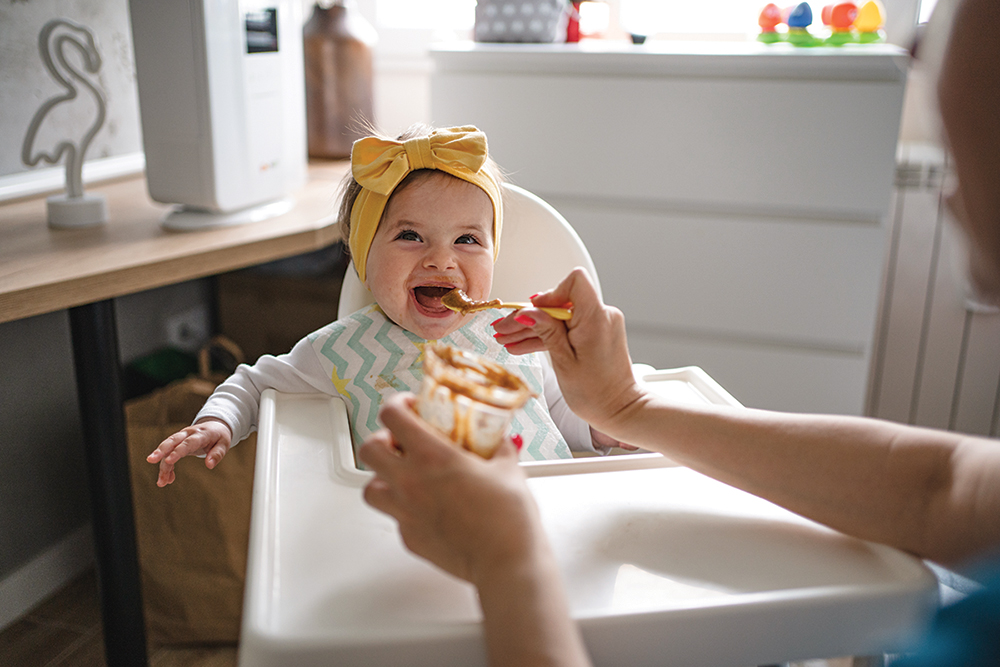
Feeding solid foods:
- Can sit up and hold up their own head.
- Opens their mouth when they see food.
- Can close their lips around a spoon.
Try one new food at a time.
Wait 5 days before trying another new food to watch for allergies. Food allergies may include wheezing, rash, or diarrhea.
Babies under one year should NOT have honey, cow’s milk or other non-dairy drinks, or foods that can cause choking like nuts or whole grapes.
All babies are different.
Talk with WIC or your baby’s healthcare provider about your baby’s needs.
Early Cues
I'm Hungry
-
 Stirring
 -
 Mouth opening
 -
 Turning head seeking/rooting
I'm Full
-
-
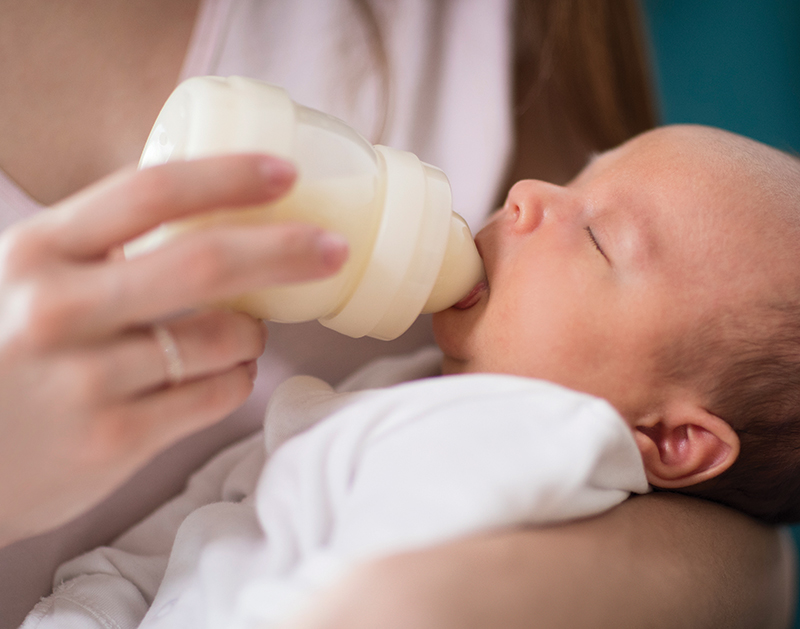 Sucking slows or stops
 -
 Hands/arms relax
 -
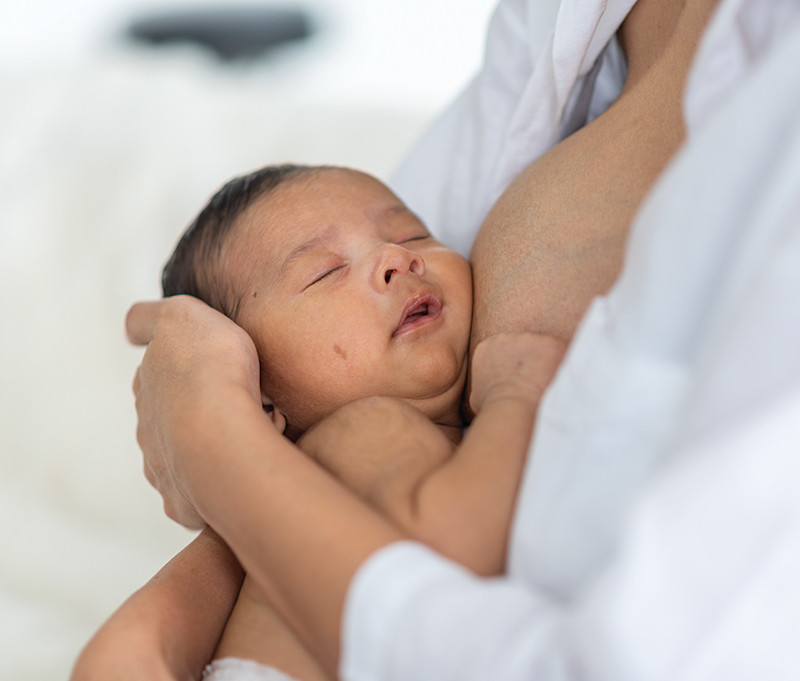 Turns or pushes away
-
Introducing Peanut Butter:
Research suggests trying peanut butter as a baby may help prevent a peanut allergy later in life. This can be helpful for families with food or egg related allergies, like eczema or other skin issues. Introduce your baby to peanut butter around 6 months of age, after they have tried other solid foods. Watch your baby for any reaction for two hours after they try it.
Mix peanut butter with water, formula, breast milk, or food:
- Thin 2 tsp. of peanut butter with 2-3 tsp. hot water, formula, or breast milk. Allow to cool before serving.
- Blend 2 tsp. of peanut butter into 2-3 Tbsp. of foods like infant cereal or pureed fruits, vegetables, chicken, or tofu.