
In fact, you started weaning when you first gave solid foods. You will finish when your child stops taking the breast or bottle. When that happens is up to you and him.
Your child weans himself by gradually losing interest in the breast or bottle. You just have to let it happen.
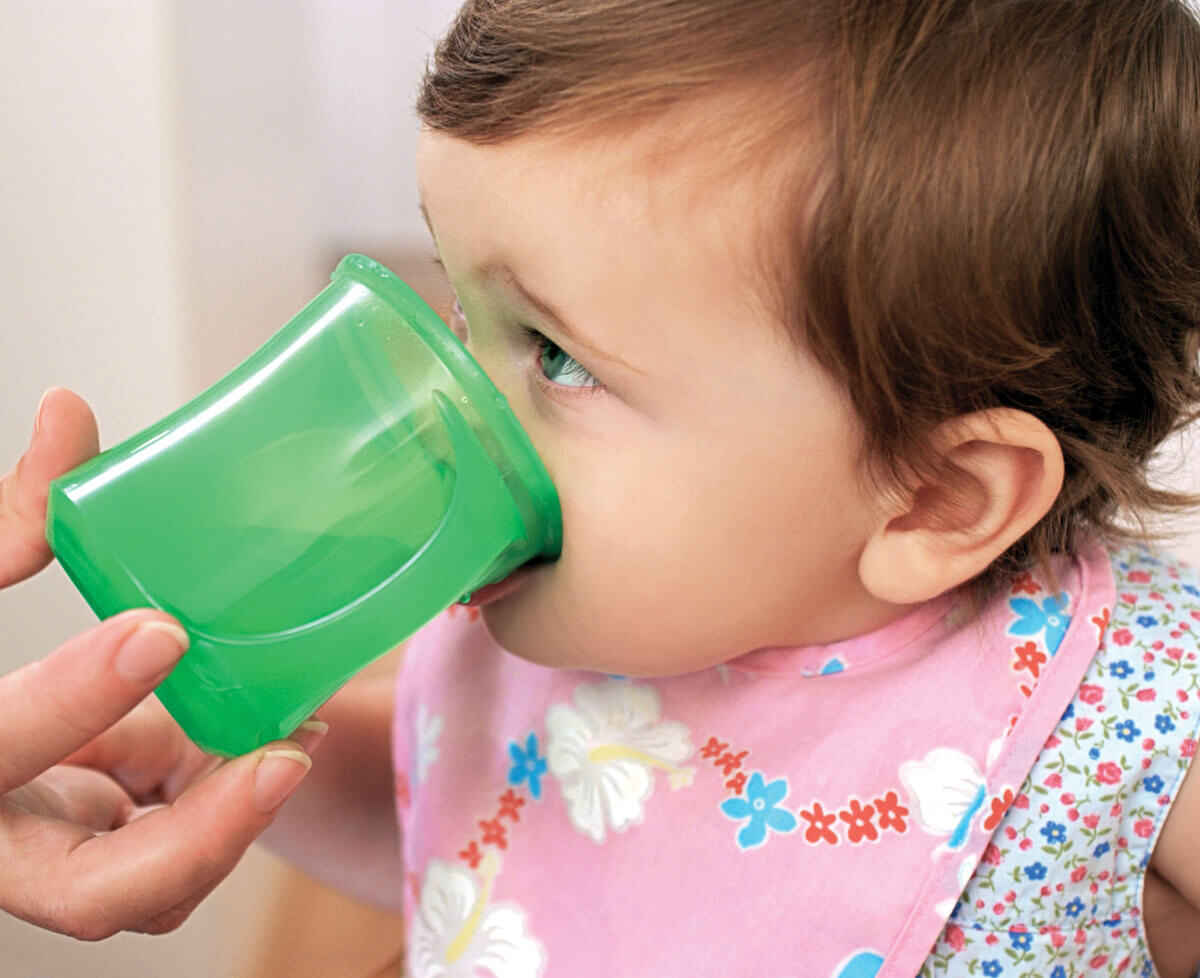
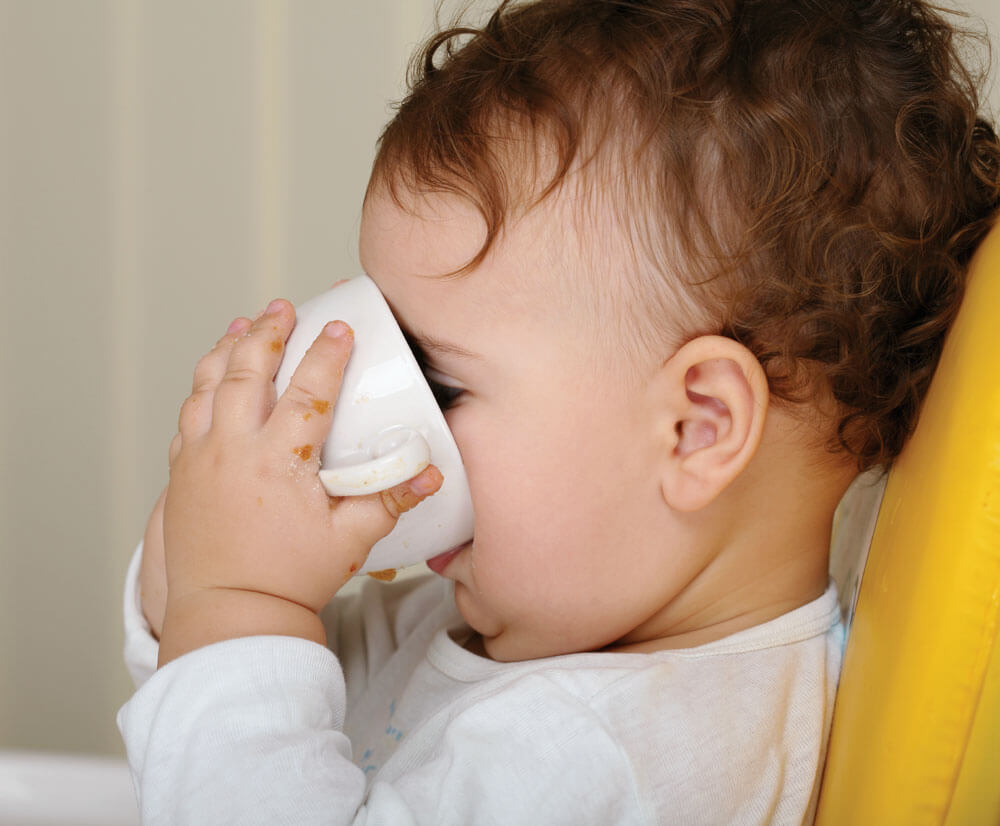
When he eats family meals, he fills up on solid foods and milk from a cup. If you don’t offer a nipple-feeding at mealtime, he doesn’t miss it.
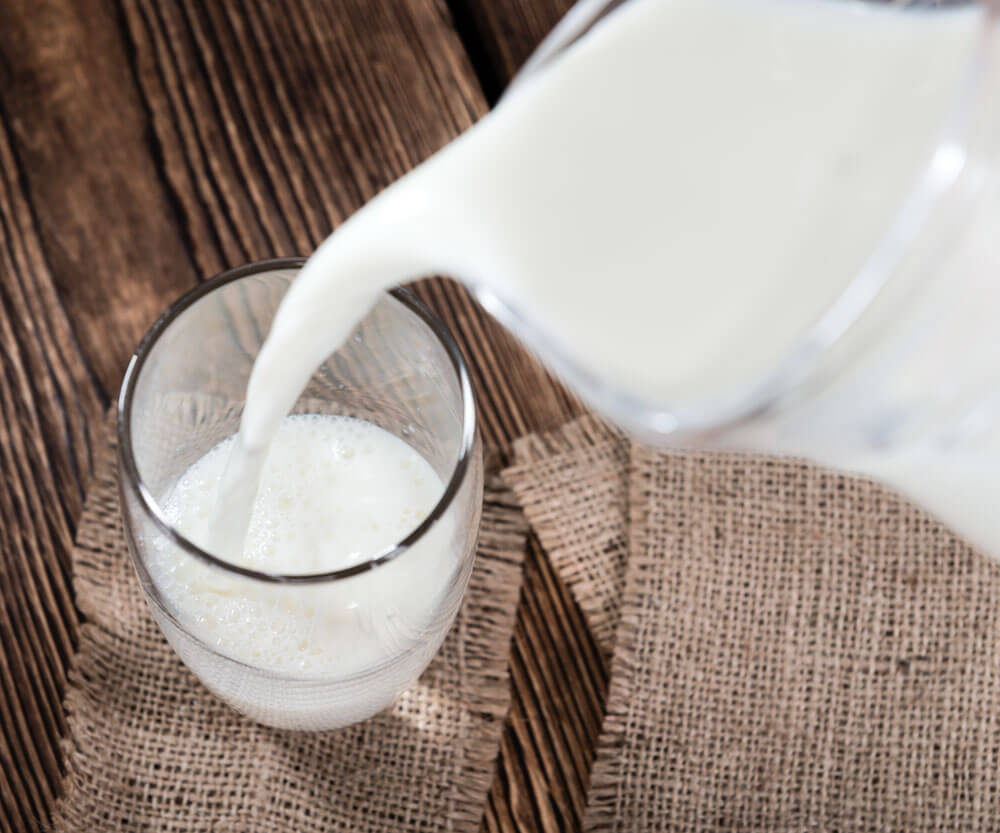
Whole milk is best for your child.
Skim milk, 2%, and 1% milk have less of the fat he needs for energy and brain growth. Keep in mind there is no rush about changing from formula or breastmilk to regular milk.
If your child was a preemie or had a slow start for any other reason, it’s best to keep him on breastmilk or formula for a while longer. Don’t feed unpasteurized milk of any type at any age.
© Ellyn Satter
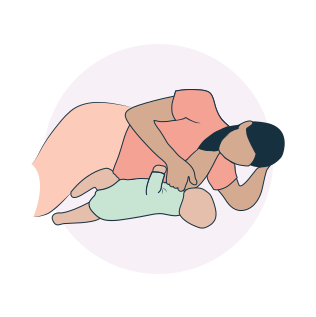
Side-Lying Hold
This hold is useful when:
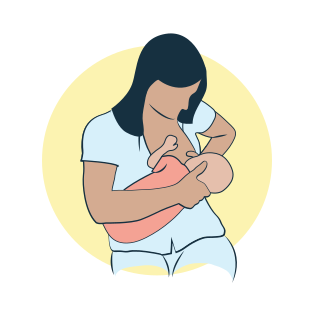
Cross-Cradle Hold
This hold is useful when:
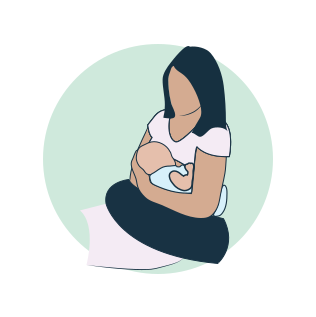
Clutch or “Football” Hold
This hold is useful when:

Cradle Hold
This hold is useful when:
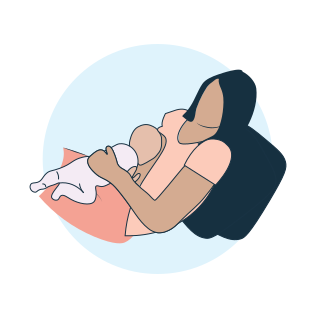
Laid-Back Hold
This hold is useful when: